Symbols & Principles of Odd FellowshipSímbolos y Principios de los Odd Fellows
An introduction to the ideals and emblems at the heart of the Order.
Una introducción a los ideales y emblemas que están en el corazón de la Orden.
Friendship, Love, and TruthAmistad, Amor y Verdad
The principles of Friendship, Love, and Truth form the foundation of Odd Fellowship and serve as practical guides for a life of purpose and meaning. Friendship teaches us to recognize the dignity and worth of every person and to build relationships based on mutual respect. Love calls us to act with compassion, kindness, and concern for the well-being of others. Truth challenges us to pursue honesty, integrity, and wisdom in both our words and our actions. Together, these principles encourage us to look beyond our own interests and contribute to something greater than ourselves. They offer a simple but profound path toward human flourishing and remind us that the ultimate measure of a life is found not in what we accumulate, but in the good we bring to others and the character we leave behind.
Los principios de la Amistad, el Amor y la Verdad forman la base de los Odd Fellows y sirven como guías prácticas para una vida con propósito y sentido. La Amistad nos enseña a reconocer la dignidad y el valor de cada persona y a construir relaciones basadas en el respeto mutuo. El Amor nos llama a actuar con compasión, bondad y preocupación por el bienestar de los demás. La Verdad nos reta a buscar la honestidad, la integridad y la sabiduría tanto en nuestras palabras como en nuestros actos. Juntos, estos principios nos animan a mirar más allá de nuestros propios intereses y a contribuir a algo más grande que nosotros mismos. Ofrecen un camino sencillo pero profundo hacia el florecimiento humano y nos recuerdan que la verdadera medida de una vida no está en lo que acumulamos, sino en el bien que aportamos a los demás y en el carácter que dejamos atrás.
To Visit the Sick, Relieve the Distressed, Bury the Dead, and Educate the OrphanVisitar al Enfermo, Socorrer al Necesitado, Sepultar al Muerto y Educar al Huérfano
When Odd Fellowship took root in America during the nineteenth century, many of the social supports that people take for granted today did not exist. There was no Social Security, no Medicare, no workers' compensation system, and often no public safety net for families facing illness, injury, death, or poverty. In that environment, the commitment "to visit the sick, relieve the distressed, bury the dead, and educate the orphan" represented a practical promise that members would care for one another when life became difficult. Lodges provided assistance to widows, cared for orphaned children, supported members who could no longer work, and ensured that no person would be forgotten in death. While society has changed, the underlying principle remains timeless. Today, these duties are expressed through community service, charitable giving, support for those facing hardship, volunteerism, mentorship, and acts of kindness that strengthen both individuals and communities. The forms may change, but the commitment to care for others endures.
Cuando los Odd Fellows echaron raíces en Estados Unidos durante el siglo XIX, muchos de los apoyos sociales que hoy se dan por sentados no existían. No había Seguro Social, ni Medicare, ni sistema de compensación laboral, y con frecuencia no había una red de protección pública para las familias que enfrentaban enfermedad, lesiones, muerte o pobreza. En ese entorno, el compromiso de "visitar al enfermo, socorrer al necesitado, sepultar al muerto y educar al huérfano" representaba una promesa práctica de que los miembros se cuidarían unos a otros cuando la vida se pusiera difícil. Las logias ayudaban a las viudas, cuidaban a los niños huérfanos, apoyaban a los miembros que ya no podían trabajar y procuraban que ninguna persona fuera olvidada en la muerte. Aunque la sociedad ha cambiado, el principio de fondo sigue siendo atemporal. Hoy, estos deberes se expresan mediante el servicio comunitario, las donaciones caritativas, el apoyo a quienes pasan por dificultades, el voluntariado, la mentoría y los actos de bondad que fortalecen tanto a las personas como a las comunidades. Las formas pueden cambiar, pero el compromiso de cuidar a los demás perdura.
Elevating the Character of MankindElevar el Carácter de la Humanidad
Odd Fellowship teaches that every person possesses the capacity for growth and improvement. The goal is not merely to help people materially, but to encourage the development of character through integrity, responsibility, compassion, and service. To elevate the character of mankind means to begin with oneself, striving each day to become a better neighbor, friend, citizen, and human being, while also encouraging those around us to do the same. This principle recognizes that strong communities are built by people of strong character and that lasting progress comes not only from changes in institutions, but from the continual improvement of individuals. By promoting honesty, kindness, personal responsibility, and respect for others, Odd Fellowship seeks to contribute to a society that is more just, more compassionate, and more worthy of future generations.
Los Odd Fellows enseñan que toda persona posee la capacidad de crecer y mejorar. La meta no es solo ayudar materialmente a la gente, sino fomentar el desarrollo del carácter por medio de la integridad, la responsabilidad, la compasión y el servicio. Elevar el carácter de la humanidad significa comenzar con uno mismo, esforzándose cada día por ser mejor vecino, amigo, ciudadano y ser humano, a la vez que animamos a quienes nos rodean a hacer lo mismo. Este principio reconoce que las comunidades fuertes se construyen con personas de carácter firme y que el progreso duradero no proviene solo de los cambios en las instituciones, sino de la mejora continua de los individuos. Al promover la honestidad, la bondad, la responsabilidad personal y el respeto por los demás, los Odd Fellows buscan contribuir a una sociedad más justa, más compasiva y más digna de las generaciones futuras.
Symbols of the OrderSímbolos de la Orden
The Three LinksLos Tres Eslabones
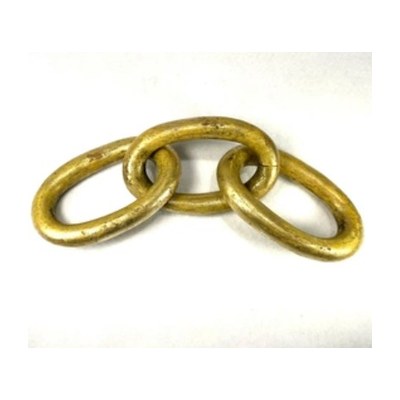
At first glance, the Three Links are simply three connected rings. They remind us that no person stands alone and that human life is built through relationships. The links represent the enduring principles of Friendship, Love, and Truth, each strengthening and supporting the others. On a personal level, they challenge us to be trustworthy friends, compassionate neighbors, and people of integrity. At a deeper level, the Three Links suggest that a meaningful life is woven from bonds that extend beyond self-interest. We become stronger, wiser, and more fulfilled when we recognize our connection to others and our responsibility to contribute to the well-being of the larger human family.
A primera vista, los Tres Eslabones son simplemente tres anillos unidos. Nos recuerdan que ninguna persona está sola y que la vida humana se construye a través de las relaciones. Los eslabones representan los principios perdurables de la Amistad, el Amor y la Verdad, cada uno fortaleciendo y sosteniendo a los demás. En lo personal, nos retan a ser amigos confiables, vecinos compasivos y personas íntegras. En un nivel más profundo, los Tres Eslabones sugieren que una vida con sentido se teje con lazos que van más allá del interés propio. Nos volvemos más fuertes, más sabios y más plenos cuando reconocemos nuestra conexión con los demás y nuestra responsabilidad de contribuir al bienestar de la gran familia humana.
The Skull and CrossbonesLa Calavera y las Tibias Cruzadas
The Skull and Crossbones is a direct reminder of human mortality. Every life, regardless of wealth, status, or achievement, eventually reaches the same destination. Beyond this simple truth lies an invitation to reflection. Knowing that our time is limited encourages us to focus on what truly matters rather than becoming distracted by temporary concerns. Morally, the symbol calls us to live with purpose, humility, and gratitude. At its deepest level, it reminds us that life's value is measured not by its length but by the character we develop, the good we do, and the positive influence we leave behind for others.
La Calavera y las Tibias Cruzadas son un recordatorio directo de la mortalidad humana. Toda vida, sin importar la riqueza, el estatus o los logros, llega tarde o temprano al mismo destino. Más allá de esta simple verdad hay una invitación a la reflexión. Saber que nuestro tiempo es limitado nos anima a concentrarnos en lo que de verdad importa, en lugar de distraernos con preocupaciones pasajeras. En lo moral, el símbolo nos llama a vivir con propósito, humildad y gratitud. En su sentido más profundo, nos recuerda que el valor de la vida no se mide por su duración, sino por el carácter que desarrollamos, el bien que hacemos y la influencia positiva que dejamos a los demás.
The All-Seeing EyeEl Ojo que Todo lo Ve
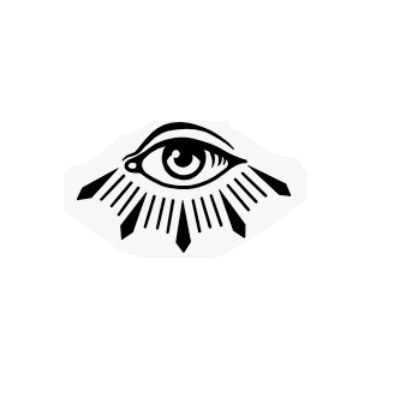
The All-Seeing Eye symbolizes awareness, perception, and the search for truth. Literally, it is an eye that observes. More broadly, it reminds us that our actions often have consequences beyond what we immediately see and that wisdom begins with honest self-examination. Morally, the symbol encourages personal accountability and thoughtful conduct, even when no recognition or reward is expected. At a deeper level, it points toward the development of clear judgment and self-awareness. It reminds us to look beyond appearances, seek understanding, and strive to see ourselves and the world as they truly are.
El Ojo que Todo lo Ve simboliza la conciencia, la percepción y la búsqueda de la verdad. Literalmente, es un ojo que observa. En un sentido más amplio, nos recuerda que nuestros actos suelen tener consecuencias más allá de lo que vemos de inmediato y que la sabiduría empieza con un examen honesto de uno mismo. En lo moral, el símbolo fomenta la responsabilidad personal y la conducta reflexiva, aun cuando no se espere reconocimiento ni recompensa. En un nivel más profundo, apunta al desarrollo del buen juicio y el autoconocimiento. Nos recuerda mirar más allá de las apariencias, buscar la comprensión y esforzarnos por vernos a nosotros mismos y al mundo tal como realmente son.
The Heart in HandEl Corazón en la Mano
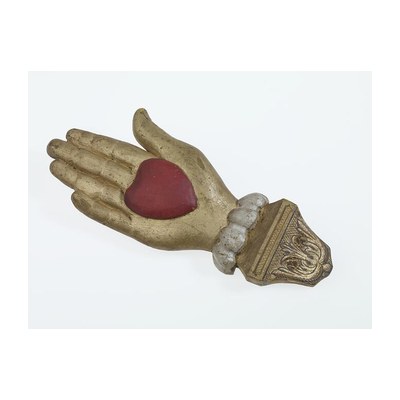
The Heart in Hand is one of the most recognizable symbols of Odd Fellowship. It depicts the union of compassion and action. Good intentions alone are not enough, nor is action without kindness. The symbol teaches that genuine care for others should be expressed through service, generosity, and practical assistance. Morally, it encourages us to extend friendship and support to those in need. At a deeper level, the Heart in Hand reminds us that the highest form of character is found when empathy is transformed into action, and when concern for others becomes a guiding principle in daily life.
El Corazón en la Mano es uno de los símbolos más reconocibles de los Odd Fellows. Representa la unión de la compasión y la acción. Las buenas intenciones por sí solas no bastan, ni tampoco la acción sin bondad. El símbolo enseña que el cuidado genuino por los demás debe expresarse mediante el servicio, la generosidad y la ayuda práctica. En lo moral, nos anima a brindar amistad y apoyo a quienes lo necesitan. En un nivel más profundo, el Corazón en la Mano nos recuerda que la forma más alta del carácter se halla cuando la empatía se transforma en acción y cuando la preocupación por los demás se vuelve un principio que guía la vida diaria.
The Bundle of SticksEl Haz de Varas
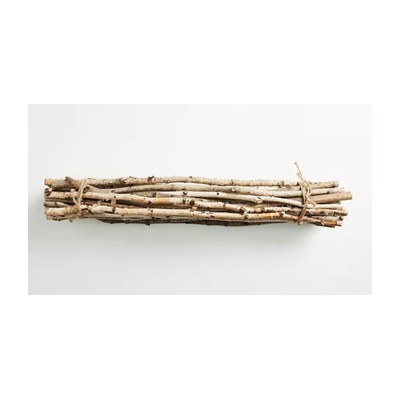
A single stick may be broken easily, but a bundle of sticks bound together is remarkably strong. The symbol illustrates the power of unity, cooperation, and mutual support. It reminds us that individuals accomplish more when they work together toward a common purpose. Morally, it teaches loyalty, fellowship, and the importance of supporting one another during times of challenge. At a deeper level, the Bundle of Sticks reflects a timeless truth about human communities: strength grows when people combine their talents, share their burdens, and remain united by common values and mutual respect.
Una sola vara puede romperse con facilidad, pero un haz de varas atadas es notablemente fuerte. El símbolo ilustra el poder de la unidad, la cooperación y el apoyo mutuo. Nos recuerda que las personas logran más cuando trabajan juntas hacia un propósito común. En lo moral, enseña lealtad, compañerismo y la importancia de apoyarnos unos a otros en los momentos difíciles. En un nivel más profundo, el Haz de Varas refleja una verdad atemporal sobre las comunidades humanas: la fuerza crece cuando las personas unen sus talentos, comparten sus cargas y permanecen unidas por valores comunes y respeto mutuo.
Symbol images are illustrative depictions of the traditional emblems of the Independent Order of Odd Fellows.
Las imágenes de los símbolos son representaciones ilustrativas de los emblemas tradicionales de la Orden Independiente de Odd Fellows.